
Emily Banvard
Fashion: More Than Just Clothes – The Art, Culture, and Business of Style
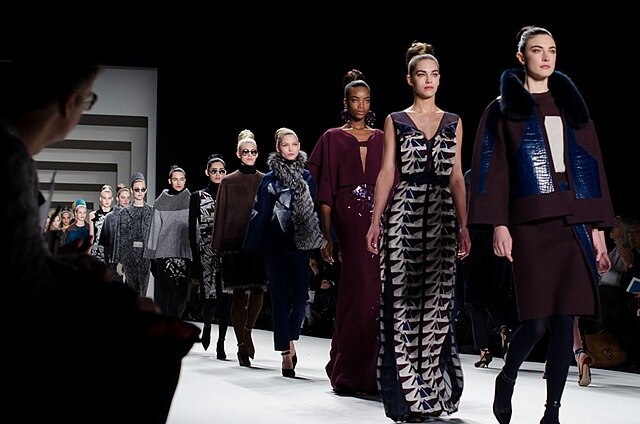
Fashion is everywhere. It’s the clothes we wear, the accessories we choose, the colors we embrace, and even the way we carry ourselves. But fashion is far more than just fabric and trends—it’s a powerful form of self-expression, a reflection of culture, and a dynamic industry that shapes and responds to society’s changing moods and values.
In this blog, we’ll explore the fascinating world of fashion—from its creative roots to its global impact. We’ll look at how fashion influences identity, how sustainability is reshaping the industry, and what the future holds for this ever-evolving art form.
Fashion as a Form of Expression
At its core, fashion is about communication. What you wear can speak volumes without saying a word. It tells others who you are, what you value, and how you feel.
Think about your own wardrobe. Maybe you have a favorite jacket that gives you confidence, or a pair of shoes that remind you of a special moment. Fashion allows us to curate our personal stories, mix different influences, and experiment with identity.
For centuries, clothes have been used to symbolize status, profession, community, or rebellion. From royal robes to punk leather jackets, fashion has been a language of power and personality.
Today, that language has grown even richer. Social media, street style, and global connectivity mean we are exposed to countless interpretations of style. This democratization allows more voices to be heard and more stories to be told. For example, exploring fashion trends in London and their influence on Indian fashion reveals how global styles intersect and shape local identities, often shedding light on the complexities behind big brand influences.
The Creative Pulse: Designers and Innovation
Behind every striking outfit is a creative process that combines inspiration, skill, and vision. Designers are the artists of fashion, translating abstract ideas into wearable forms.
The journey from concept to clothing involves sketching, choosing fabrics, draping, and refining. Fashion weeks in global capitals like Paris, Milan, New York, and London showcase these creative endeavors, setting the tone for what we’ll wear in the months to come.
But fashion innovation isn’t limited to aesthetics. Technology is playing an increasing role—from 3D printing and smart fabrics to virtual fashion shows and AI-assisted design.
This blend of creativity and technology pushes the boundaries of what fashion can be, creating new opportunities for personalization and sustainability.
Fashion and Culture: A Global Dialogue
Fashion is deeply intertwined with culture. Every garment carries stories of place, history, and tradition. Consider the vibrancy of Indian textiles, the elegance of Japanese kimono, or the bold patterns of African prints. These are not just clothes; they are cultural legacies.
Globalization has allowed cultures to influence each other in exciting ways, but it also raises questions about cultural appropriation versus appreciation. The fashion industry is increasingly conscious of respecting the origins of its inspirations and giving credit where it’s due.
Furthermore, fashion acts as a mirror to social changes. The rise of gender-fluid clothing, the celebration of diverse body types, and the demand for inclusive sizing all reflect broader movements for equality and acceptance.
Sustainability: Fashion’s New Frontier
For decades, fashion was criticized for its environmental impact—mass production, waste, and pollution. But the tides are turning. Sustainability is no longer optional; it’s becoming central to how fashion operates.
Consumers today want transparency and responsibility. Brands are responding by adopting eco-friendly materials, ethical labor practices, and circular economy models that focus on recycling and reusing.
Innovations like biodegradable fabrics, vegetable-dyed textiles, and rental or resale platforms are changing how we consume fashion.
Sustainable fashion is not just about reducing harm—it’s about reimagining the industry to be a force for good, balancing style with stewardship.
The Business of Fashion: Trends, Marketing, and Consumer Power
Fashion is a multi-billion-dollar global industry with complex supply chains and fierce competition. Success in this world requires more than just creativity—it demands sharp business acumen.
Brands must predict trends, manage production, and build strong relationships with customers. Marketing plays a huge role—from glossy magazine spreads to influencer partnerships and viral social media campaigns.
Consumers today wield unprecedented power. They research brands, demand ethical standards, and often choose brands that align with their personal values.
This shift means fashion businesses must be agile, transparent, and authentic to thrive.
Fashion’s Digital Revolution
The internet has transformed fashion forever. Online shopping, digital lookbooks, and virtual influencers are just the beginning.
Augmented reality allows customers to virtually “try on” clothes, while AI helps brands tailor recommendations.
Social media platforms like Instagram and TikTok have given rise to micro-trends that spread overnight, influencing how and what peopl e wear.
The rise of digital fashion—clothing that exists only online—opens new frontiers for creativity and sustainability. Many of these trends are captured and analyzed through platforms dedicated to style commentary. Know more about fashion blogs here and how they’ve shaped digital fashion culture.
Fashion and Identity: More Personal Than Ever
Ultimately, fashion is about people. It’s about how we see ourselves and want the world to see us.
The movement towards personalization and inclusivity means fashion today is more accessible and diverse. Whether it’s celebrating cultural heritage, breaking gender norms, or embracing size diversity, fashion is becoming a tool for empowerment.
This human connection is what makes fashion endlessly fascinating—it evolves with us, tells our stories, and helps us imagine new versions of ourselves.
Final Thoughts: Embracing Fashion’s Future
Fashion will always be more than the clothes on our backs. It is art, culture, commerce, and identity woven together in a complex tapestry.
As the industry embraces sustainability, technology, and inclusivity, it promises to become more innovative and responsible.
For consumers, the opportunity lies in thoughtful choices that honor creativity, respect the planet, and celebrate diversity.
For creators, it’s about pushing boundaries and telling authentic stories through fabric and design.
Fashion is a living, breathing expression of who we are—and that makes it endlessly exciting.
Related Posts
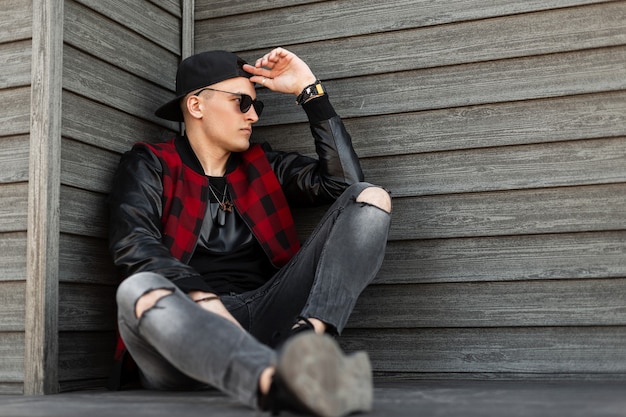
Top Fashion Tips for Men to Elevate Everyday Looks
Inside, you’ll find helpful men’s fashion advice, outfit ideas for every season, grooming basics, and clothing suggestions to make dressing up easier and smarter.
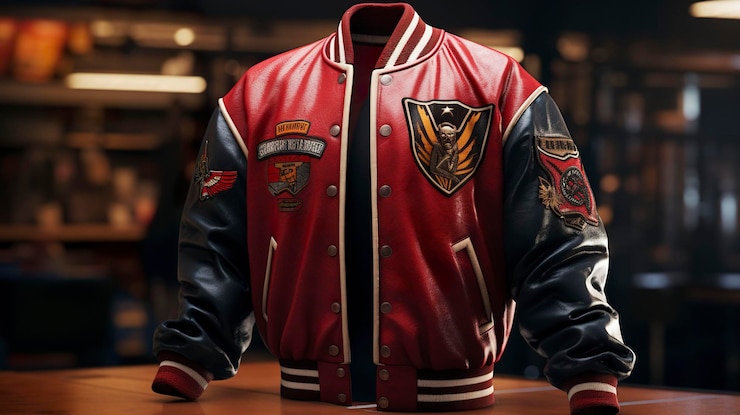
Michael Jackson-MJ Thriller Varsity Jacket
This stylish piece brings together MJ’s unforgettable look with the comfort and coolness of a classic varsity or letterman jacket. Whether you're a lifelong MJ fan or just love unique fashion, this jacket is more than just clothing—it’s a nod to music history.
 (1).jpg "Stay Stylish & Comfortable: Best Summer Dresses for Curvy Women")
Stay Stylish & Comfortable: Best Summer Dresses for Curvy Women
In this guide, we’ll talk about the best summer dresses for curvy women, along with helpful tips and popular trends.
Comments (0)
Login to comment.
Share this post: