
Let’s take a look at 8 common foods that are banned elsewhere but still sold in America
Which Food May Be Banned in Other Countries
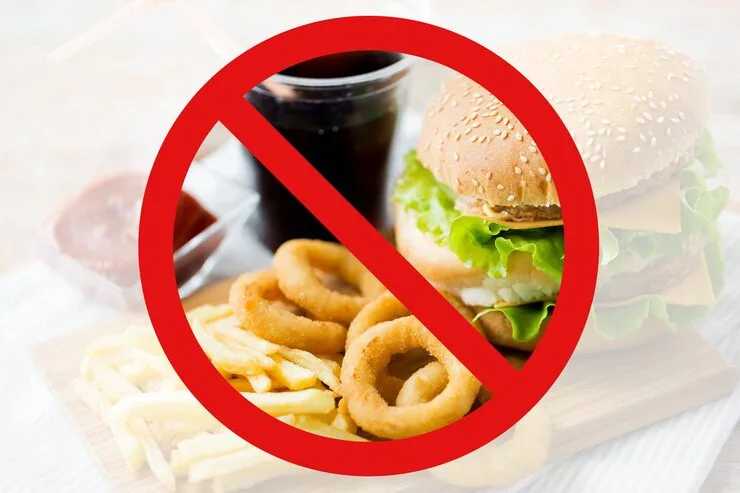
Many Americans believe they're ahead when it comes to innovation, but the truth about food safety tells a different story. A lot of items sitting on US grocery store shelves are actually banned in other parts of the world because of health concerns. This could be one of the reasons behind the growing obesity rates and rising number of illnesses in the US.
1. Farmed Salmon – Looks Good, But Is It?
Farm-raised salmon may appear bright and fresh, but it often comes loaded with synthetic chemicals. These fish are typically fed GMO grains and given antibiotics and chemical additives. To make them more appealing, they're even given artificial color boosters that can be harmful to humans. That’s why countries like Australia and New Zealand have banned them.
Healthier alternative: Choose wild-caught Alaskan or sockeye salmon. Look for deep red flesh with thin white lines — not the bright pink variety.
2. Genetically Modified Papaya
In the European Union, genetically engineered (GE) papaya is banned. However, in the US, especially from Hawaii, GE papaya is everywhere. It was modified to resist a virus, but studies on animals suggest it might cause health problems like digestive issues or tumors.
Want to avoid GE papaya? Always buy organic versions.
3. Sports Drinks with Flame Retardant
Some popular sports drinks and citrus sodas in the US contain Brominated Vegetable Oil (BVO) — a chemical originally used as a flame retardant. While it helps mix ingredients in drinks, it’s also linked to issues like thyroid problems, fertility issues, and even behavioral changes. Japan and Europe have already banned BVO.
What to do instead? Skip the soda and drink plain or flavored water.
4. Artificial Food Coloring
Over 3,000 additives are used in American processed foods, especially artificial dyes. These dyes are found in everything from snacks to kids' cereals and have been tied to health problems like hyperactivity, allergies, and developmental issues. Norway and Austria have banned them, and the EU requires warning labels.
Tip: Read food labels and avoid products with artificial colors.
5. Arsenic in Chicken Feed
Believe it or not, a lot of chicken in the US is fed with grains that contain arsenic to make the meat look fresh and help the chickens grow faster. The FDA says the organic form is “safe,” but research now shows it can turn into toxic, cancer-causing arsenic over time. The EU has banned this, but it’s still used in some US chicken farms.
Safer choice? Go organic or plant-based when possible.
6. Bread Made with Potassium Bromate
Potassium bromate is used in many types of bread and baked goods in the US to help dough rise. But it’s been linked to serious health issues like thyroid disorders, kidney damage, and even cancer. That’s why it’s banned in Canada, China, and the EU.
Stay safe: Look for labels that say “bromate-free” or buy from bakeries that use clean ingredients.
7. BHA and BHT Preservatives
BHA (Butylated hydroxyanisole) and BHT (Butylated hydroxytoluene) are chemicals used to keep foods from spoiling. They’re found in cereals, chips, and other packaged items. However, they’ve also been connected to cancer and are banned in parts of the EU and Japan — and not even allowed in baby food in the UK.
Your best bet? Eat more fresh, whole foods and skip overly processed snacks.
8. Milk from Cows Treated with Growth Hormones
In the US, many dairy farmers give cows rBGH (Recombinant Bovine Growth Hormone) to boost milk production. But it’s banned in over 30 countries because it’s believed to increase cancer risk in humans. While the FDA says it’s safe in small amounts, many people prefer to avoid it.
Healthier alternative: Look for milk labeled as rBGH-free or hormone-free.
Final Thoughts:
While these foods may be legal in the US, that doesn’t necessarily mean they’re safe. Many other countries have chosen to ban or regulate them for good reason. The best thing you can do for your health is to read labels carefully, buy organic when possible, and focus on eating fresh, whole foods instead of overly processed ones.
Related Posts
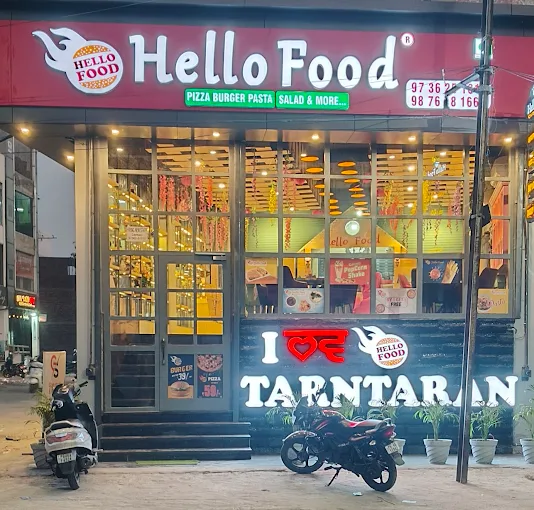
Hello Food is the Best Restaurant in Tarn Taran
📍 Address: Jandiala Rd, Opposite HDFC Bank, St. Marry Colony, Tarn Taran Sahib, Punjab 143401 📞 Contact: 097362 51313
Top 10 Best Foods to Boost Testosterone Naturally
The good news? You can naturally support healthy testosterone levels by making the right dietary choices. Here’s a professional guide to the top 10 foods that help boost testosterone.
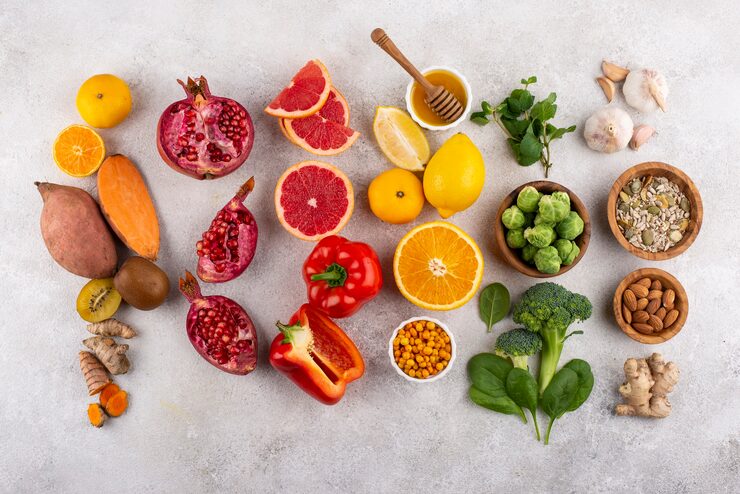
Best Antioxidant Foods You Should Include in Your Diet
Over the years, I’ve made small changes to my eating habits. Trust me, including antioxidant-rich foods was one of the best ones. And the great thing? You don’t need fancy supplements or powders — just real, natural food.
Comments (0)
Login to comment.
Share this post: