
Here’s a look at why hair transplants are in high demand in 2025, along with some important realities about what they can (and can't) achieve.
Why Hair Transplants Are More Popular Than Ever in 2025
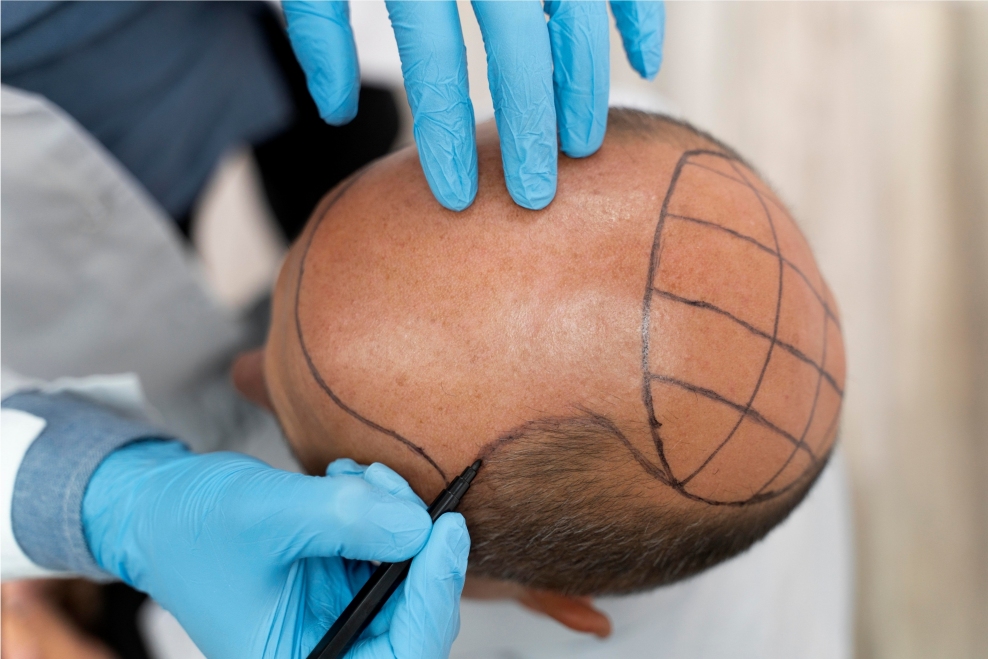
Hair transplants have seen a dramatic surge in popularity over the past few years, and by 2025, they’ve become mainstream. What was once a procedure for the elite or the desperate has now become more accessible, technologically advanced, and socially acceptable. But while the results can be life-changing, not every case ends in success — and understanding both the science and the limitations is crucial.
1. High-Tech Procedures Have Transformed Expectations
Cutting-edge methods like FUE (Follicular Unit Extraction), FUT (Follicular Unit Transplantation), and DHI (Direct Hair Implantation) have improved hair restoration’s precision and outcome — at least in theory.
Recent developments include:
-
Sapphire Blade FUE: Claimed to improve healing and hair density, though not all patients experience significant differences.
-
Robotic-Assisted Surgery: Offers better accuracy, but is not widely available and doesn't guarantee better results.
-
AI-Powered Graft Mapping: Allows personalized procedures, although results still depend heavily on surgeon skill and graft quality.
While scarring and downtime have been reduced, not all patients heal the same, and visible scarring or poor regrowth can still occur in rare cases.
2. From Taboo to Trend – Thanks to Influencers
In 2025, hair loss is no longer hidden behind hats or shame. A-listers, athletes, and digital creators are openly discussing their hair transplants. But for every high-profile success, there are quiet cases of overhyped expectations and touch-up procedures.
Many influencers post before-and-after transformations, but few talk about:
-
Failed grafts
-
Uneven hairlines
-
Secondary procedures required
It’s essential to remember that results on social media are often curated, and real-world outcomes can differ significantly.
3. Awareness of Hair Loss as a Medical Issue
Today, baldness is widely seen as a medical condition influenced by:
-
Genetics (Androgenetic Alopecia)
-
Hormonal changes
-
Stress-related shedding
-
Scalp conditions like seborrheic dermatitis
This shift has prompted more people to seek treatments. However, transplants only work for certain types of hair loss. Conditions like alopecia areata or widespread thinning may not respond well to surgery — and may require alternative therapies such as PRP (Platelet-Rich Plasma) or medication.
4. Falling Costs, But Varying Quality
Hair transplants have become more affordable, especially in India where prices per graft range from ₹20 to ₹40. Clinics now offer:
-
EMI plans
-
Medical tourism deals
-
Custom packages based on budget
However, lower cost doesn’t always equal quality. Poorly equipped clinics or underqualified technicians may offer tempting deals, but deliver subpar or even harmful results. Always vet the credentials of the clinic and surgeon.
5. Quicker Recovery — But Not Instant
With modern techniques, recovery is faster than before. Many return to work in 2–3 days after FUE or DHI procedures. However, complete healing takes time.
Be aware:
-
Shock loss (temporary shedding) is common post-surgery
-
Final results may take 9–12 months to appear
-
Some patients experience itching, swelling, or numbness in the donor area
There’s no true "lunch break" hair transplant, and downtime, while reduced, still varies between individuals.
6. More Surgeons, But Not All Are Experts
India has seen a boom in hair transplant clinics, especially in cities like Delhi, Mumbai, Chandigarh, and Bangalore. But not every practitioner is equally skilled.
A rise in clinics also means:
-
Some technicians perform surgeries under a surgeon’s license
-
Poor surgical technique can cause permanent scarring or unnatural hairlines
-
Many clinics offer free consultations but push aggressive sales tactics
Always ensure your procedure is performed by a board-certified dermatologist or plastic surgeon with extensive experience in hair restoration.
7. Millennials Are Seeking Long-Term Solutions
Millennials facing hair loss due to genetics, work stress, or urban pollution are choosing transplants over temporary fixes. However, it’s crucial to understand that:
-
Hair transplants don’t stop future hair loss
-
You may need medications like minoxidil or finasteride to maintain results
-
Multiple sessions may be required
It’s a medical procedure, not a one-time cosmetic upgrade. Commitment to aftercare is essential.
8. The Zoom Effect on Appearance Pressure
The digital age has magnified how we see ourselves — and others. From selfies to meetings, hair loss becomes obvious, especially under high-definition cameras. This has pushed many toward cosmetic enhancements.
But while appearance matters, so does mental health. Some people with body dysmorphia may seek surgery without real medical need. That’s why ethical clinics perform thorough evaluations before proceeding.
9. Male Grooming Revolution
Male grooming has entered a new era — from beard shaping to hair transplants. But along with growing demand comes growing misinformation.
Fitness models and influencers may:
-
Promote procedures that don’t suit everyone
-
Fail to mention side effects or failures
-
Set unrealistic expectations
Men must approach transplants with realistic goals and medical advice, not just inspiration from Instagram.
10. Permanent Results — But Not for Everyone
When done correctly, hair transplants can deliver natural, long-lasting results. But it’s not a guarantee for everyone.
Some factors that affect outcome:
-
Hair density in the donor area
-
Overall scalp health
-
Surgeon’s experience
-
Post-op care and medications
While most patients are satisfied, a small percentage report poor growth, requiring corrective surgeries or lifelong maintenance.
Final Thoughts: Weighing Hype vs. Reality
In 2025, hair transplants are no longer a luxury — they’re a common cosmetic-medical solution. They’ve helped millions regain confidence and a youthful look. But with the rising popularity, there’s also a risk of overpromising and underdelivering.
To make an informed decision:
Do your research
Set realistic expectations
Choose the right surgeon and clinic
Be aware of risks and long-term care
Hair transplants can be transformative — but only when done for the right reasons, in the right hands, with the right mindset.
Related Posts

Testing 9-09-2025
Testing

कॉमन गलतियाँ जो आपके एनर्जी लेवल को कम करती हैं
हम सभी चाहते हैं कि हमारा एनर्जी लेवल हमेशा हाई रहे ताकि हम अपने दैनिक

How to Take Care of Yourself During Pregnancy
In this blog, I’ll be sharing everything I learned during my pregnancy—what to eat, how to exercise safely, what to avoid sex and fingering during certain stages, and how to keep yourself calm, healthy, and happy. Whether you're a first-time mom or just need a reminder, these tips are for you.
Comments (0)
Login to comment.
Share this post: