
In this blog, we’ll explore the latest fashion trends in London, how they’re shaping Indian fashion, and the lesser-known dark truths behind some of the biggest names in the fashion industry.
Fashion Trends in London & Their Influence on Indian Fashion: Uncovering the Dark Side of Big Brands
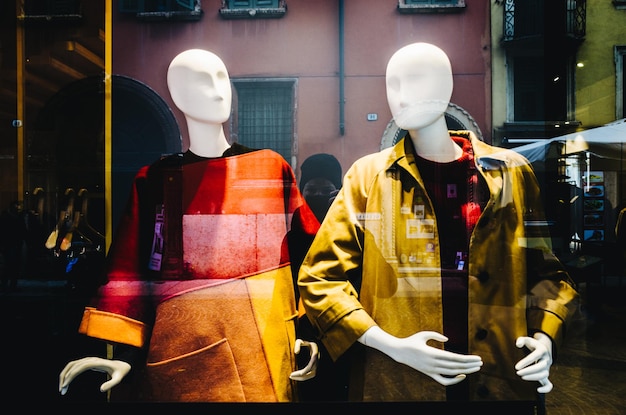
London has always been at the forefront of global fashion. From the runways of London Fashion Week to the streets of Shoreditch and Soho, the city has long been a playground for creativity, diversity, and style experimentation. However, as the world follows London's fashion heartbeat, there's more happening behind the scenes—some of it inspirational, and some of it deeply concerning.
In this blog, we’ll explore the latest fashion trends in London, how they’re shaping Indian fashion, and the lesser-known dark truths behind some of the biggest names in the fashion industry.
Latest Fashion Trends in London (2025)
London's fashion scene in 2025 is bold, expressive, and moving closer to sustainable practices—at least on the surface. Here are a few trends dominating the streets and runways:
Gender-Neutral Fashion
London is breaking down gender barriers in clothing. Oversized blazers, utility pants, relaxed silhouettes, and fluid designs are becoming increasingly popular among all genders.
Maximalist Layering
Gone are the days of minimalism—2025 is about statement-making fashion. Think chunky jewelry, vibrant prints, exaggerated sleeves, and dramatic layering that tells a story.
Sustainable & Upcycled Fashion
From thrift stores to high-end boutiques, sustainable fashion is now mainstream. Brands are promoting recycled fabrics, low-waste collections, and eco-friendly dyeing techniques—though not always as honestly as they claim (more on that later).
Tech-Integrated Clothing
Wearable tech is evolving. Clothing with integrated temperature control, posture correction, and even LED panels are slowly finding their way into high fashion shows and boutique stores in London.
🇮🇳 How London Fashion Influences Indian Fashion
India’s fashion landscape has always had a rich cultural identity, but international influence—especially from fashion capitals like London—is undeniably strong.
Western Streetwear in Indian Cities
Young Indians are increasingly drawn to baggy trousers, oversized jackets, and cargo pants—popularized on the streets of London. Urban Indian fashion today mirrors the youthful energy of London’s East End.
Rise of Indo-Western Fusion
Designers are mixing Indian textiles with Western silhouettes. Think sarees worn with crop tops, kurtas with sneakers, or lehengas paired with leather jackets—a trend influenced by London’s fashion-forward attitude.
Influencer Culture and Fast Trends
Indian Instagram influencers and stylists closely follow UK-based influencers. What’s seen in London’s Oxford Street often shows up in Delhi’s Khan Market or Mumbai’s fashion boutiques within weeks.
The Dark Truth: What Big Brands Don’t Want You to Know
While London’s fashion scene is creative and inspiring, many of the big brands that dominate its streets and showrooms are linked to unethical practices, especially when it comes to fast fashion.
Let’s uncover a few truths about brands like Zara, Louis Vuitton, H&M, and others.
1. Zara and the Fast Fashion Trap
Zara, owned by Inditext, is a pioneer of fast fashion—releasing new collections every few weeks to meet changing customer demand.
What’s wrong?
-
Poor working conditions: Several reports have exposed factories where Zara’s garments are made under unsafe conditions, with underpaid labor in countries like Bangladesh, Turkey, and even parts of India.
-
Environmental impact: Fast fashion creates massive textile waste, water pollution, and carbon emissions. Zara alone produces over 450 million pieces of clothing per year.
2. Louis Vuitton and Luxury Greenwashing
Louis Vuitton represents status, luxury, and class. But even luxury fashion isn’t immune to controversy.
Dark truth:
-
Burning unsold inventory: Like many luxury brands, Louis Vuitton has been accused of destroying unsold stock to maintain exclusivity, instead of donating or recycling it.
-
Fake sustainability claims: Some collections are marketed as “eco-conscious,” but in reality, only a small percentage of materials meet those claims.
3. H&M and the Myth of "Conscious Collection"
H&M promotes its Conscious Collection as a sustainable alternative.
But in reality:
-
Minimal sustainability: Only a tiny fraction of H&M's total production is truly eco-friendly. The brand still releases thousands of new items weekly, making true sustainability impossible.
-
Greenwashing: Many consumers are misled into thinking they are shopping responsibly, when the system is still driven by overproduction and underpaid workers.
India and the Cost of Fast Fashion
India is not just a consumer but also a major supplier in the global fashion supply chain. Many big brands get their garments manufactured in Indian factories.
This results in:
-
Exploitative labor: Workers, especially women, are paid minimal wages and work in unsafe environments to meet foreign deadlines.
-
Decline of Indian handloom and artisans: Cheap mass production affects India’s traditional weavers and craftsmen who can’t compete with factory-made fast fashion.
What Can We Do as Conscious Consumers?
-
Support Indian sustainable brands: Choose local labels that use handloom, natural dyes, and ethical production practices.
-
Buy less, wear more: Avoid impulsive shopping. Choose quality over quantity.
-
Research before you buy: Check if the brand is transparent about its labor practices and environmental efforts.
-
Thrift and upcycle: Explore second-hand clothing and give old clothes a new life.
Conclusion
London continues to influence global fashion—including in India—setting bold trends that redefine how we dress and express ourselves. But behind the glittering windows of global fashion brands lies a darker reality of exploitation, overconsumption, and environmental damage.
As consumers, we have the power to change the narrative. By making mindful choices, supporting ethical fashion, and valuing sustainability over speed, we can shape a better future for fashion—not just in London or India, but across the world.
Let’s wear style with responsibility. Fashion should feel good—without costing the planet or people their dignity.
Related Posts

Top Fashion Tips for Men to Elevate Everyday Looks
Inside, you’ll find helpful men’s fashion advice, outfit ideas for every season, grooming basics, and clothing suggestions to make dressing up easier and smarter.
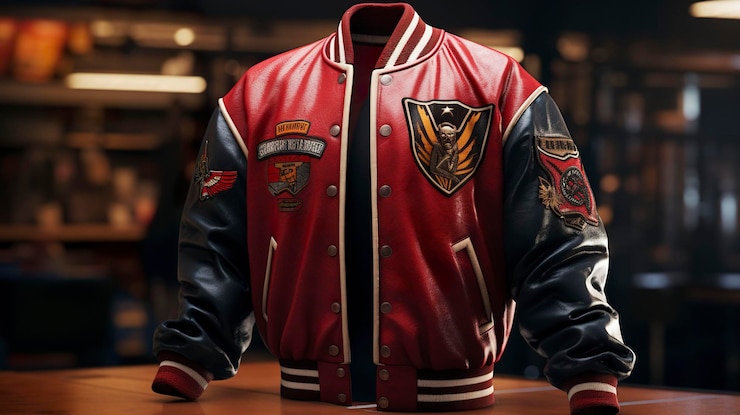
Michael Jackson-MJ Thriller Varsity Jacket
This stylish piece brings together MJ’s unforgettable look with the comfort and coolness of a classic varsity or letterman jacket. Whether you're a lifelong MJ fan or just love unique fashion, this jacket is more than just clothing—it’s a nod to music history.
Comments (0)
Login to comment.
Share this post: