
So you’re thinking about Japan? Smart choice. This country will mess with your head in the best possible way. Ancient temples sit next to vending machines that sell hot coffee. Monks chant while salary workers rush past on their phones. A 10-day itinerary first time in Japan lets you see the main stuff without going nuts trying to fit everything in.
First Time Visit in Japan: Sharing Personal Experience
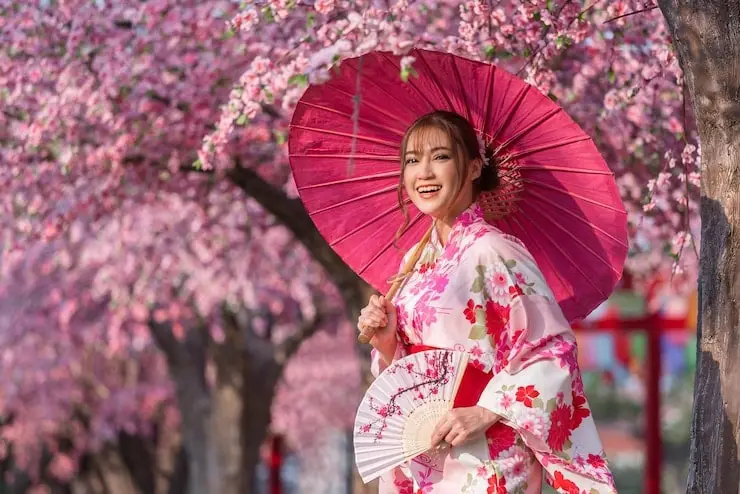
If you’re planning your first trip to Japan, let me share my own 10-day itinerary that made my experience unforgettable. From the neon buzz of Tokyo to the peaceful shrines of Kyoto and the food madness in Osaka – Japan is a rollercoaster that makes total sense once you’re in it.
Days 1–3: Tokyo – Where Chaos Just… Works
I landed at Narita, and getting into Tokyo cost me about 3,000 yen by train. The Tokyo subway map? It looks like a nightmare. But once you're on it, it's surprisingly logical and far more efficient than anything I’ve used back home.
Day One:
I started off with the famous Shibuya Crossing. Yes, it’s popular and packed, but crossing that intersection is strangely satisfying. I grabbed lunch at a tiny ramen place tucked in an alley – no English menu, just pointed at what the guy next to me was having. Delicious.
Just a short walk away is Meiji Shrine. It’s free to visit and honestly feels like walking through a portal. One moment you're surrounded by city noise, and five minutes later, it’s total peace and towering trees. The contrast is surreal.
Day Two:
Headed over to Asakusa to check out Senso-ji Temple. It’s over 1,400 years old, and the street leading up to it is full of little shops selling everything from kitschy souvenirs to traditional snacks. Picked up some wild Kit Kat flavors here – wasabi, matcha, you name it.
Later, I explored Akihabara, which felt like walking through a video game. Whether you're into anime or not, the energy here is insane. There are gadgets, arcades, glowing signs, and character cut-outs everywhere. It’s like Japan’s quirky heart on display.
Day Three:
Got up early to hit the Tsukiji Outer Market. You must be here by 8 AM to get the good stuff. Had sushi for breakfast, and I’m not exaggerating – no other sushi has ever matched it since.
In the afternoon, I walked through the Imperial Palace East Gardens. Quiet, green, and a perfect reset from Tokyo’s fast pace. I wrapped up the day in Ginza just to see how the posh side of Tokyo lives – high-end shops and glowing lights.
Days 4–5: Mount Fuji – Straight Out of a Postcard
One thing I quickly learned – Mount Fuji loves playing hide-and-seek behind clouds. Always check the forecast before making the trip. I was lucky to get a clear day.
I spent time around Lake Kawaguchi, which gives you that classic Fuji reflection. Rented a bike and did a loop around the lake – took around three hours with multiple photo stops.
That night, I stayed in a ryokan in Hakone. Yes, it’s pricey, but this was the most relaxing night of my trip. The onsen (hot spring bath) was gender-separated and, yes, you bathe nude. It felt awkward at first but trust me, after five minutes it’s pure bliss.
Days 6–8: Kyoto – Japan’s Traditional Soul
Took the Shinkansen (bullet train) from Tokyo to Kyoto. It was a smooth 2-hour ride, and while it cost about 13,320 yen, the JR Pass really made it economical overall.
Kyoto is home to over 1,600 Buddhist temples and 400 Shinto shrines. It’s tempting to try seeing them all, but I realized early that slowing down was the better choice.
I started with Kinkaku-ji (Golden Pavilion). It’s one of those places that lives up to the hype. Took way too many photos, but it's absolutely worth it.
Next up was the Fushimi Inari Shrine with its famous tunnel of 10,000 red torii gates. Most people hike halfway and turn back. I went all the way to the top – it took about 2.5 hours, but the peaceful views at the summit were the highlight.
In Gion, I walked through narrow alleys filled with traditional wooden buildings. I may have caught a glimpse of a geiko (Kyoto’s version of a geisha). Just a heads-up: don’t chase them around with your phone – it's super rude and ruins the experience for everyone.
Also made a trip to the Arashiyama Bamboo Grove. The wind makes the bamboo sway like chimes. But go early – I went just after sunrise, and the crowd was manageable.
Days 9–10: Nara & Osaka – From Sacred Deer to Street Food
On Day 9, I did a day trip to Nara. Around 1,200 deer freely roam Nara Park, and they actually bow when you feed them special deer crackers (costs 200 yen). It’s hilarious and adorable. Don’t feed them anything else though – it messes with their digestion.
The Todai-ji Temple blew me away. It houses one of the largest bronze Buddha statues in the world. You feel tiny in the best way standing in that massive wooden hall.
Day 10 was all about Osaka. The food scene here is crazy good. I walked through Dotonbori Street at night – neon signs, moving crab billboards, and non-stop food carts. I tried takoyaki (fried octopus balls) – weird texture, amazing taste.
I also made a quick visit to Osaka Castle. It’s mostly reconstructed, but still cool to see, especially for the city views from the top. Though, if you’ve seen enough castles by now, feel free to skip it.
Getting Around Japan Without Going Broke
I used the JR Pass for long-distance travel. It costs 50,000 yen for 7 days and 80,000 yen for 14 days. I calculated my trips and found it saved me a lot compared to individual ticket prices.
Important: You need to buy the JR Pass before entering Japan. Can’t get it there – no exceptions.
For local travel, Google Maps worked wonders. It gives exact train connections and platform numbers. I downloaded the offline version just in case.
Money Matters
Japan runs mostly on cash. Many small eateries and local shops don’t accept cards. I found that 7-Eleven ATMs reliably accepted my foreign card. I recommend withdrawing more than you think you need – you’ll use it.
Also – no tipping. It’s not expected and can even be considered rude. Prices include service already.
I averaged around $120–$160 per day, which covered food, transport, tickets, and accommodation.
Where I Slept
I mostly booked business hotels – clean, efficient, and compact. They cost around $90–130 per night. I tried a capsule hotel once for the experience – fun and futuristic, but I wouldn’t sleep in one for more than a night or two.
Pro tip: stay near train stations like Shinjuku, Shibuya, or Tokyo Station. It saves a lot of time and steps.
Food Tips from a Fellow Traveler
Don’t overlook convenience store meals. I had some of the best fried chicken at 7-Eleven. Grab an onigiri for a cheap, satisfying snack on the go.
Explore the basement floors of department stores for high-quality food courts. Amazing variety at great prices – from sushi to bento boxes.
Ramen shops often have vending machines outside. Press buttons, get a ticket, hand it over to the chef. No Japanese required – just delicious results.
My First Trip, But Not My Last
This 10-day trip gave me the perfect mix – Tokyo’s fast energy, Mount Fuji’s iconic calm, Kyoto’s spiritual richness, and Osaka’s street food wonders. The key was not rushing everything. I paced myself, soaked in the moments, and let Japan reveal itself naturally.
If you’re going during cherry blossom season (March–May) or autumn foliage (October–November), book hotels early. It gets busy.
Japan left a mark on me. It’s a place where things work better than they should, and even the smallest experiences stay with you. I’m already planning my return.
Related Posts
कार से ऑल इंडिया टूर – एक सपना, एक सफ़र
ऑल इंडिया टूर को कवर
Why Travel Isn’t a Luxury — It’s a Life Essential
Travel isn’t just about seeing new places — it’s about discovering new parts of yourself. Explore why stepping out into the world is essential for personal growth.
Comments (0)
Login to comment.
Share this post: