
Emily Banvard
Indian Food: A Flavorful Journey Through Culture, Tradition, and Spice
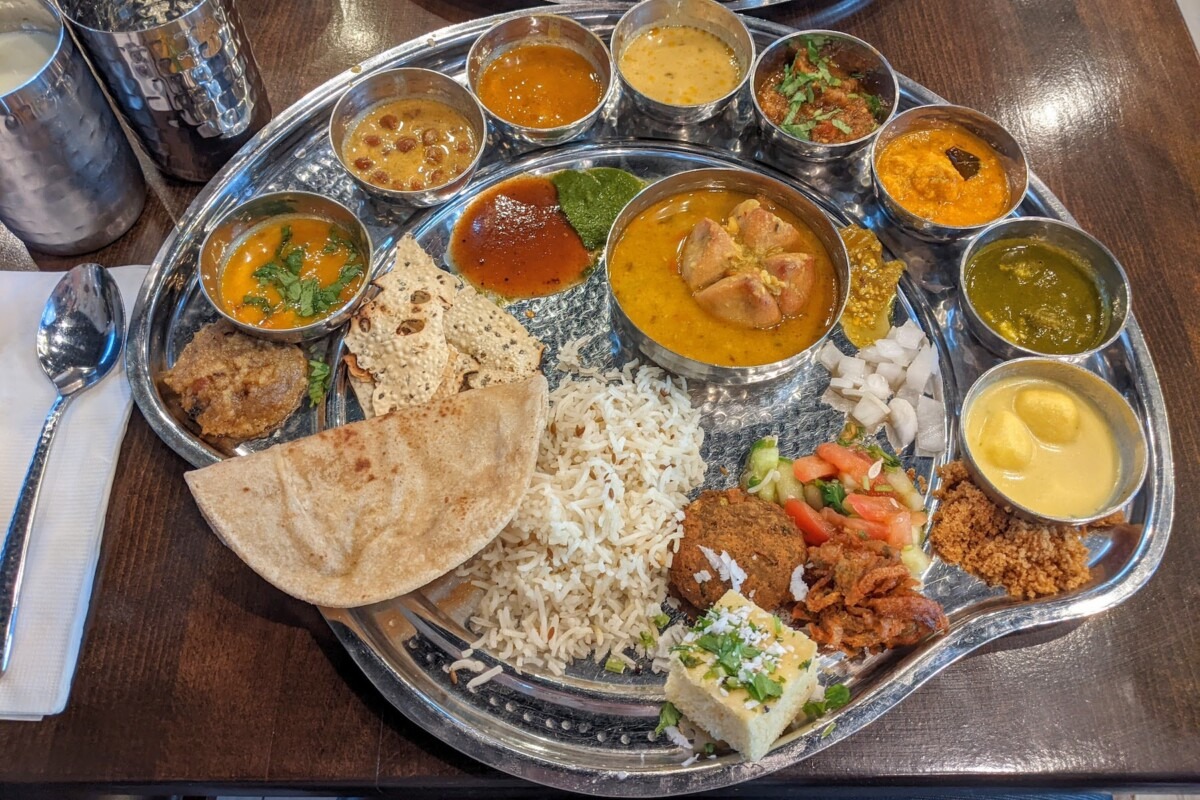
Indian food is more than just a meal—it’s an experience, a story told through spices, textures, and centuries of culinary tradition. It is rich, layered, and deeply intertwined with the country’s history, geography, and culture. From the spicy curries of the South to the rich gravies of the North, Indian cuisine offers a mosaic of flavors that excite the palate and nourish the soul.
Walk into any Indian kitchen and you’ll be greeted by the heady aroma of roasted spices, sizzling oil, and the unmistakable comfort of something slow-cooking on the stove. Food in India isn’t just about taste—it’s about connection: with family, with community, with the land.
This blog explores the story of Indian food—its regional diversity, its historical roots, its modern evolution, and the deep emotional connection it creates for those who prepare and enjoy it.
The Heart of Indian Cooking: Spice and Balance
At the core of Indian cuisine is balance. Each dish is thoughtfully composed to harmonize sweet, sour, spicy, bitter, and salty elements. Spices are used not just for flavor, but also for aroma, color, and even medicinal benefits.
Turmeric, cumin, coriander, mustard seeds, fennel, fenugreek, and asafoetida are just a few of the pantry staples in Indian households. These are not thrown together randomly—they’re added at precise moments and in exact proportions to bring out the best in a dish.
The process of "tadka" or tempering—where spices are briefly fried in hot oil to release their essential oils—is a defining step in many Indian recipes. It’s where magic begins.
A Culinary Map: Diversity Across Regions
India’s vastness gives rise to incredible regional diversity in food. Each state, city, and even village can have its own distinct take on a dish. Here’s a glimpse of this diversity:
- North India: Rich, Robust, and Warming: North Indian cuisine is known for its rich gravies, tandoor-cooked breads, and use of dairy. Cream, ghee, paneer, and yogurt frequently appear in dishes like butter chicken, palak paneer, and dal makhani. If you’re curious about making one of these iconic dishes at home, know more about paneer curry and how to make it step by step. Wheat is the staple grain here, and you'll often find an assortment of rotis, naans, and parathas served with hearty curries. Influences from Mughal cuisine bring aromatic biryanis and fragrant kebabs to the table.
- South India: Spicy, Tangy, and Rice-Centric: South Indian food bursts with bold flavors and abundant use of tamarind, coconut, mustard seeds, and curry leaves. Rice is a staple, often served with sambar, rasam, or curd. Dosas, idlis, and uttapams—fermented rice and lentil-based dishes—are popular not just for breakfast but as comfort foods anytime. Kerala’s seafood and coconut-rich stews, Tamil Nadu’s fiery curries, and Andhra’s tangy pickles showcase this region’s depth.
- West India: Vibrancy and Variety: Western India brings both spice and sweetness. Gujarat offers vegetarian delicacies like dhokla, thepla, and undhiyu, often with a slight sweetness in even savory dishes. Maharashtra has its vada pavs and misal pavs—spicy, street-side fare that packs a punch. Goa, with its Portuguese influence, offers seafood-laden dishes like prawn balchão and xacuti, rich with vinegar and kokum.
- East India: Subtle, Sweet, and Seasonal: Eastern India, particularly Bengal, is known for its love of fish, mustard, and sweets. Dishes like macher jhol (fish curry) or shorshe ilish (hilsa in mustard sauce) are iconic. This region also leads the country in desserts—think soft rasgullas, syrupy cham chams, and creamy sandesh, all made from chhena (fresh cheese).
More Than a Meal: Ritual, Celebration, and Healing
In India, food is tied to rituals, festivals, and even wellness practices. Each celebration comes with its own culinary customs—modaks for Ganesh Chaturthi, seviyan for Eid, gujiyas for Holi, and laddoos for Diwali.
Ayurveda, India’s ancient wellness system, views food as a form of medicine. It teaches that eating according to your body type (dosha) and the seasons can bring balance and vitality. This approach influences many home-cooked meals, with ingredients chosen not just for flavor but for their effect on digestion, energy, and mood.
Even everyday cooking often reflects this wisdom—using ginger for warmth, fennel for cooling, turmeric for its anti-inflammatory power, or cumin to aid digestion.
The Indian Kitchen: A Space of Community and Creativity
Step into any Indian kitchen and you’ll see food being prepared with care, conversation, and love. Cooking is often a communal activity, passed down through generations—not just through recipes, but through rhythm and instinct.
Dough for rotis is kneaded while chatting, chutneys are ground to the background hum of family talk, and curries are simmered while stories are shared. Food preparation is an act of affection, often unspoken but deeply understood.
And no matter how advanced modern appliances get, there’s a reason why many Indian families still prefer grinding spices by hand, using a mortar and pestle—it connects them to tradition.
Indian Street Food: Chaos and Charm
No blog on Indian food is complete without celebrating street food. Vibrant, affordable, and full of character, street food captures the soul of Indian cities. From chaats of Delhi to pav bhaji in Mumbai, from Kolkata’s kathi rolls to Chennai’s sundal on the beach—each bite tells a story. These are not just snacks; they’re rituals of urban life. Street food reflects local tastes and seasonal ingredients, and often introduces newcomers to regional specialties in their purest form. It’s fast, flavorful, and a must-try for anyone exploring Indian cuisine to know more about its depth and diversity here.
The Modern Indian Plate: Fusion and Innovation
Today’s Indian chefs and home cooks are blending tradition with innovation. Global ingredients are finding a home in Indian kitchens, while traditional recipes are being reinterpreted in new, exciting ways.
You’ll find avocado parathas, quinoa biryani, or miso-infused dal on menus that are rooted in Indian technique but open to global ideas.
This culinary experimentation speaks to a new generation that is proud of its heritage but eager to explore new expressions of it. Indian food is also gaining recognition globally, with fine-dining restaurants and food trucks alike putting Indian flavors on the world map.
Health, Mindfulness, and Emotional Comfort
Indian food is also about emotional nourishment. Certain dishes, like khichdi, dal chawal, or homemade curry, are more than comfort food—they’re emotional anchors. They remind people of home, family, and simpler times.
In recent years, many people are also returning to traditional Indian eating habits for health reasons—eating seasonal, freshly cooked meals with balanced spices and herbs. Cooking itself is seen as a mindful practice. The act of grinding, chopping, stirring, and seasoning can be grounding and meditative.
As discussed in the benefits of vitamin-rich and mineral-rich salt, even simple ingredients, when thoughtfully chosen, can enhance not just taste but well-being.
Final Thoughts: A Taste That Stays With You
Indian food is a journey. Every dish has a backstory, every spice a purpose. Whether you’re trying street food from a stall in Jaipur or eating a thali in a home kitchen in Kerala, you’re not just tasting food—you’re tasting culture, memory, and tradition.
It’s hard to define Indian food in one phrase because it is endlessly varied and constantly evolving. But one thing is certain—it leaves an impression. Not just on your taste buds, but on your heart.
So the next time you enjoy a spoonful of dal, a spicy biryani, or a piece of homemade halwa, pause for a moment. Think of the hands that made it, the stories it carries, and the joy it’s meant to bring.
Because Indian food is not just something you eat—it’s something you experience.
Related Posts
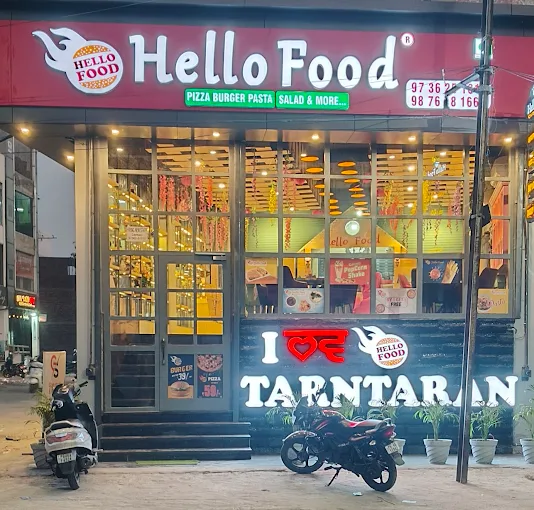
Hello Food is the Best Restaurant in Tarn Taran
📍 Address: Jandiala Rd, Opposite HDFC Bank, St. Marry Colony, Tarn Taran Sahib, Punjab 143401 📞 Contact: 097362 51313

Top 10 Best Foods to Boost Testosterone Naturally
The good news? You can naturally support healthy testosterone levels by making the right dietary choices. Here’s a professional guide to the top 10 foods that help boost testosterone.
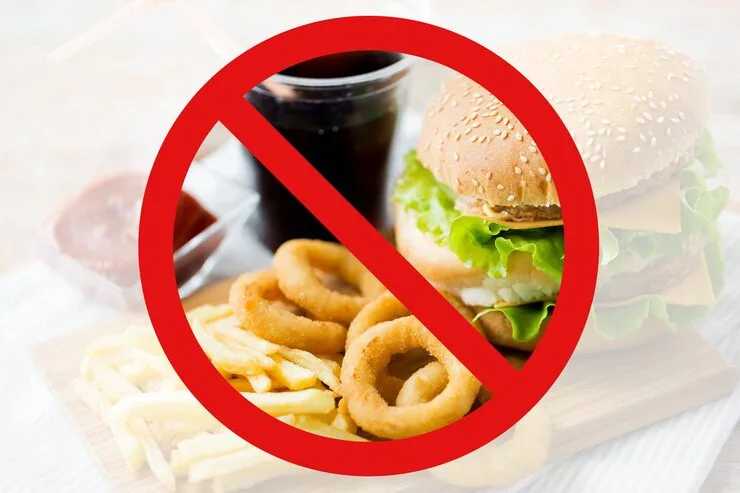
Which Food May Be Banned in Other Countries
Let’s take a look at 8 common foods that are banned elsewhere but still sold in America
Comments (0)
Login to comment.
Share this post: