
Ella Sandover
The Timeless Magic of Food: More Than Just a Meal

Food is more than a necessity. It’s a culture, a comfort, a celebration, and a story passed down through generations. From the aroma of spices sizzling in hot oil to the sight of a well-plated dish arriving at your table, food engages all the senses. It nourishes not just the body, but the soul.
Across the globe, food has played a central role in how humans connect—with one another, with their roots, and with the world at large. In this blog, we’ll explore how food is much more than fuel. It’s an emotion, an industry, and an evolving expression of who we are.
The Universal Language
One of the most beautiful things about food is its ability to bring people together. You don’t have to speak the same language or share the same customs to enjoy a good meal with someone. Whether it’s a lavish dinner or a humble bowl of rice and lentils, the act of sharing food builds bonds that words sometimes cannot.
From a family gathering at home to a street food stall buzzing with strangers, food invites people to slow down, to talk, and to be present. It has the unique power to create memories. A dish prepared by a grandmother might live in someone’s heart forever. A birthday cake becomes more than sugar and flour; it becomes a tradition.
Food rituals are everywhere—Sunday brunches, holiday feasts, religious offerings, or late-night snacks. These moments, though small, create rhythms in our lives. They give us something to look forward to and often, they become the stories we tell.
Cultural Identity on a Plate
Every region, every community, every family has its own food story. It tells you where they come from, what they value, and how they live. Food is a reflection of geography, history, and tradition.
Indian cuisine, for example, varies from one region to another. Northern dishes are rich and often dairy-based, while the South leans toward tangy flavors and coconut. In the West, spices are more subdued, and in the East, there's a deep love for sweets and fermented dishes. Each bite carries a unique character shaped by centuries of practice.
The same is true for cuisines around the world. Japanese food is marked by precision and balance. Italian food embraces bold flavors and comfort. Middle Eastern dishes are a celebration of herbs, grains, and shared plates. All over the world, food tells the story of a people—what they grew, what they traded, what they celebrated, and what they endured.
To eat from another culture is to understand it. Not fully, but deeply. It’s why culinary tourism has grown so much—because travelers want to taste not just food, but culture itself.
The Evolution of Taste
Food is always evolving. While tradition holds strong, innovation is constantly stirring the pot. New ingredients, techniques, and trends keep pushing boundaries. Today, a single dish might borrow elements from multiple cultures, blending flavors in creative ways.
Think of fusion cuisine—tacos filled with tandoori chicken, sushi rolls with avocado and cream cheese, or ramen inspired by Thai spices. These combinations aren’t just culinary experiments; they’re reflections of a world growing more connected every day.
Modern chefs are artists, scientists, and storytellers all at once. They play with textures, colors, and temperatures. Molecular gastronomy, plant-based meat, edible flowers—these aren't just buzzwords. They’re proof that food can be playful, intellectual, and future-facing.
But innovation doesn’t only happen in fine-dining kitchens. Street food vendors, home cooks, and everyday people are constantly finding new ways to make old dishes exciting. The rise of food blogs, recipe videos, and cooking apps has made experimentation accessible to everyone.
The Business of Food
Food is also one of the world’s most dynamic industries. From agriculture to restaurants, from food tech startups to delivery apps, it touches nearly every part of the economy.
Restaurants, bakeries, cafes, food trucks—all these are not just businesses, they are dreams served on a plate. Behind every successful food venture is a story of passion, risk, and resilience.
With the rise of online food delivery, the food business has become more digital than ever. Cloud kitchens, meal prep services, and virtual menus are changing how people eat. Convenience meets flavor, and the demand for variety keeps pushing boundaries.
Packaging, sustainability, supply chains—these are no longer background concerns. They are front and center. Consumers now care about where their food comes from, how it’s made, and who makes it. Businesses that align with these values tend to win more hearts (and stomachs).
Food and Sustainability
As delicious as food can be, it also comes with responsibility. The way we grow, cook, and consume food has a massive impact on the planet. From water usage in agriculture to plastic waste from packaging, the food industry plays a major role in environmental health.
Sustainability in food isn’t just about going organic. It’s about mindful eating. Reducing food waste, choosing local produce, supporting ethical farming, and minimizing packaging are all part of the solution.
Plant-based diets are gaining popularity not just for health reasons, but for environmental ones too. People are realizing that what’s on their plate affects more than just their bodies—it affects the planet.
Even small changes—like carrying reusable containers, composting scraps, or supporting farmer’s markets—can make a difference. When enough people care, those small choices turn into powerful movements.
Food and Mental Health
Food affects more than physical health—it has a deep connection to mental well-being too. Certain ingredients can lift moods, reduce stress, and improve cognitive function. For example, using vitamin-rich and mineral-rich salt in your cooking can support both physical and emotional health by boosting essential nutrients in your diet. Discover the benefits of vitamin-rich and mineral-rich salt and how it can make even the simplest meals more nourishing.
But even beyond nutrition, the act of cooking and eating can be healing. Cooking can be therapeutic. Kneading dough, chopping vegetables, stirring a slow-cooked curry—these aren’t just kitchen tasks; they can be meditative experiences. They offer a break from screens and a connection to something tactile and real.
Eating together is equally powerful. It creates a sense of belonging and comfort. Whether it's a home-cooked meal with family or sharing street food with friends, these moments offer emotional nourishment.
In tough times, people turn to familiar flavors and comfort dishes. A bowl of soup, a hot cup of tea, or a slice of cake can sometimes do what words cannot—they soothe the soul.
The Future of Food
As the world changes, so does food. Technology is already playing a huge role. Lab-grown meat, vertical farming, AI-driven nutrition apps, and food printed with 3D printers—all these are no longer science fiction.
But while the tools may change, the core remains the same: food will always be about connection, culture, and care. The future of food is one where health, taste, and sustainability meet. A world where no one sleeps hungry and every meal brings joy.
People are now more curious than ever. They want to explore, to taste, to learn. Cooking is no longer a chore—it’s a passion. Eating is no longer routine—it’s an experience. And food is no longer just about survival—it’s about living fully
Final Thoughts
Food, in all its forms, is a celebration of life. It reminds us of who we are, where we come from, and what we hope to become. It invites us to explore, to experiment, and to embrace new perspectives. Whether you’re a professional chef, a home cook, a passionate eater, or someone simply learning their way around the kitchen—food offers something magical.
In fact, many people today are turning their culinary journeys into creative expressions through food blogging, sharing recipes, stories, and inspiration with audiences around the world.
So the next time you cook a meal, share a dish, or try something new, take a moment to appreciate the journey that food has taken to reach your plate. From seed to harvest, from kitchen to table—it carries a story. And when you enjoy it, you become part of that story too.
Related Posts
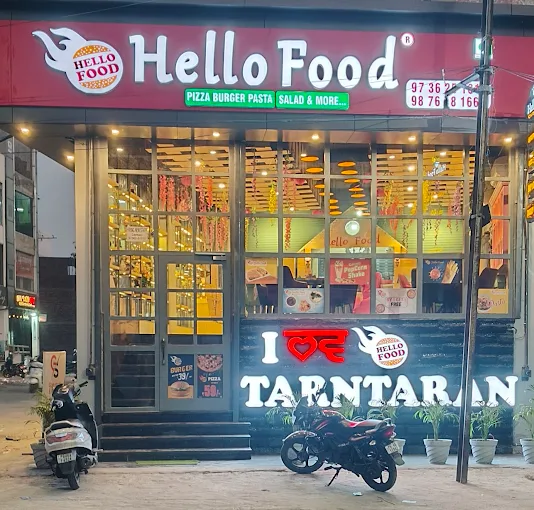
Hello Food is the Best Restaurant in Tarn Taran
📍 Address: Jandiala Rd, Opposite HDFC Bank, St. Marry Colony, Tarn Taran Sahib, Punjab 143401 📞 Contact: 097362 51313

Top 10 Best Foods to Boost Testosterone Naturally
The good news? You can naturally support healthy testosterone levels by making the right dietary choices. Here’s a professional guide to the top 10 foods that help boost testosterone.
Which Food May Be Banned in Other Countries
Let’s take a look at 8 common foods that are banned elsewhere but still sold in America
Comments (0)
Login to comment.
Share this post: